Pool removal, demolition and backfilling across the Gold Coast0451 252 501
Get a Quote
Residential pool removal specialists

Pool Removal & Backfilling Gold Coast

Remove an old, damaged or unwanted swimming pool and turn the area back into usable land. Complete removal, partial demolition, backfilling and backyard reinstatement for homes across the Gold Coast.
24 hour response

Tell us about your pool

Send the basics and we will review the project requirements.

A site inspection may be required before a fixed price can be provided.
Concrete & fibreglassRemoval options for common residential pool types
Limited accessProject matching based on machinery access
Backfill & compactionPlan the finished ground, not just the demolition
Gold Coast wideNorth Gold Coast to Coolangatta and the hinterland
Empty swimming pool ready for renovation or removal Planning starts with the future use of the yard
Pool removal & backfilling

Get the pool out of the way and use the land again

An unused pool can become a maintenance cost, renovation obstacle and a large section of backyard that no longer suits the property. Pool removal can create space for lawn, gardens, entertaining areas or a broader renovation.

The correct method depends on the pool construction, access, surrounding structures and what you intend to do with the site afterwards. That is why the job should be scoped around the property rather than treated as a basic fill delivery.

Pool Removal Services
Choose the right method

Backfill the pool or remove it completely?

The right answer depends heavily on what you want to do with the land once the pool is gone.

01

Pool backfilling

A decommissioning and backfill solution can be suitable where the main objective is to reclaim the yard. Drainage, suitable fill, placement and final levels all matter to the finished result.

View backfilling
02

Partial pool removal

Selected sections of the pool are demolished before the remaining void is prepared and filled. The proposed future use of the land should be considered before this method is chosen.

View partial removal
03

Complete pool removal

The shell is demolished or removed, waste is carted away and the excavation is backfilled. This is generally the most comprehensive option where future site flexibility matters.

View complete removal
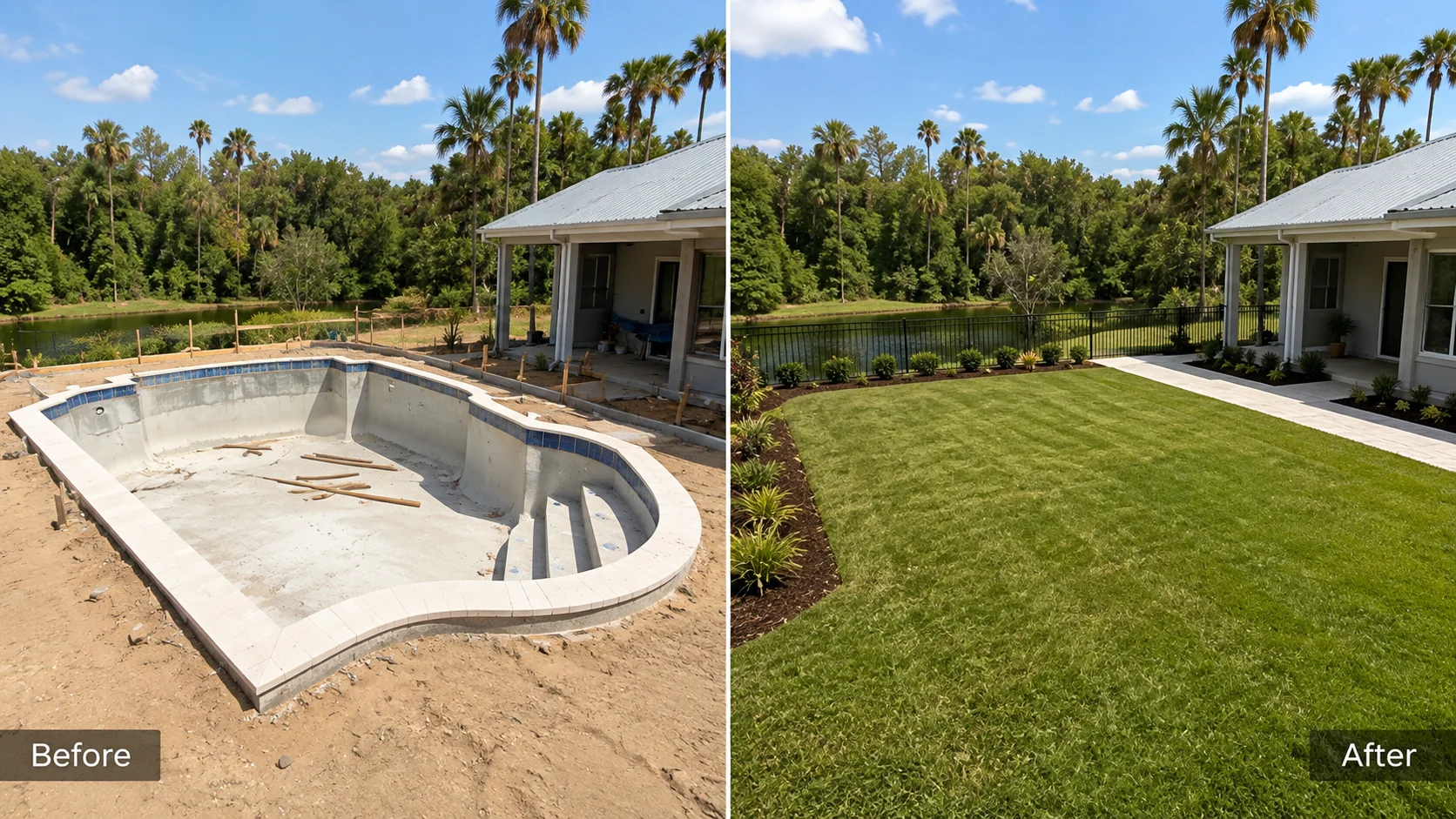
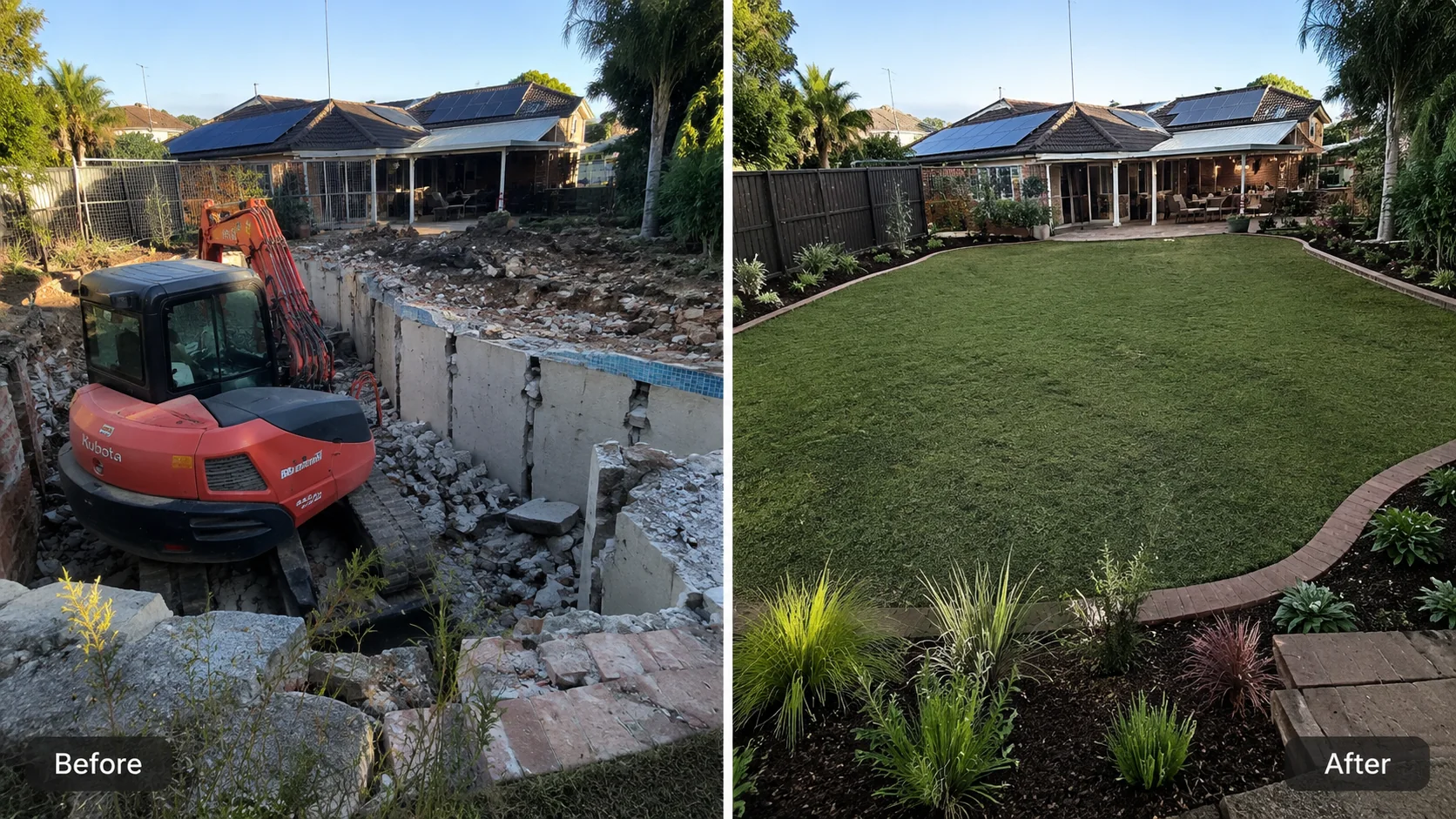
Before and after

See what the space can become

Representative pool removal transformations showing the type of finished backyard that can be created after demolition, backfilling, levelling and reinstatement.
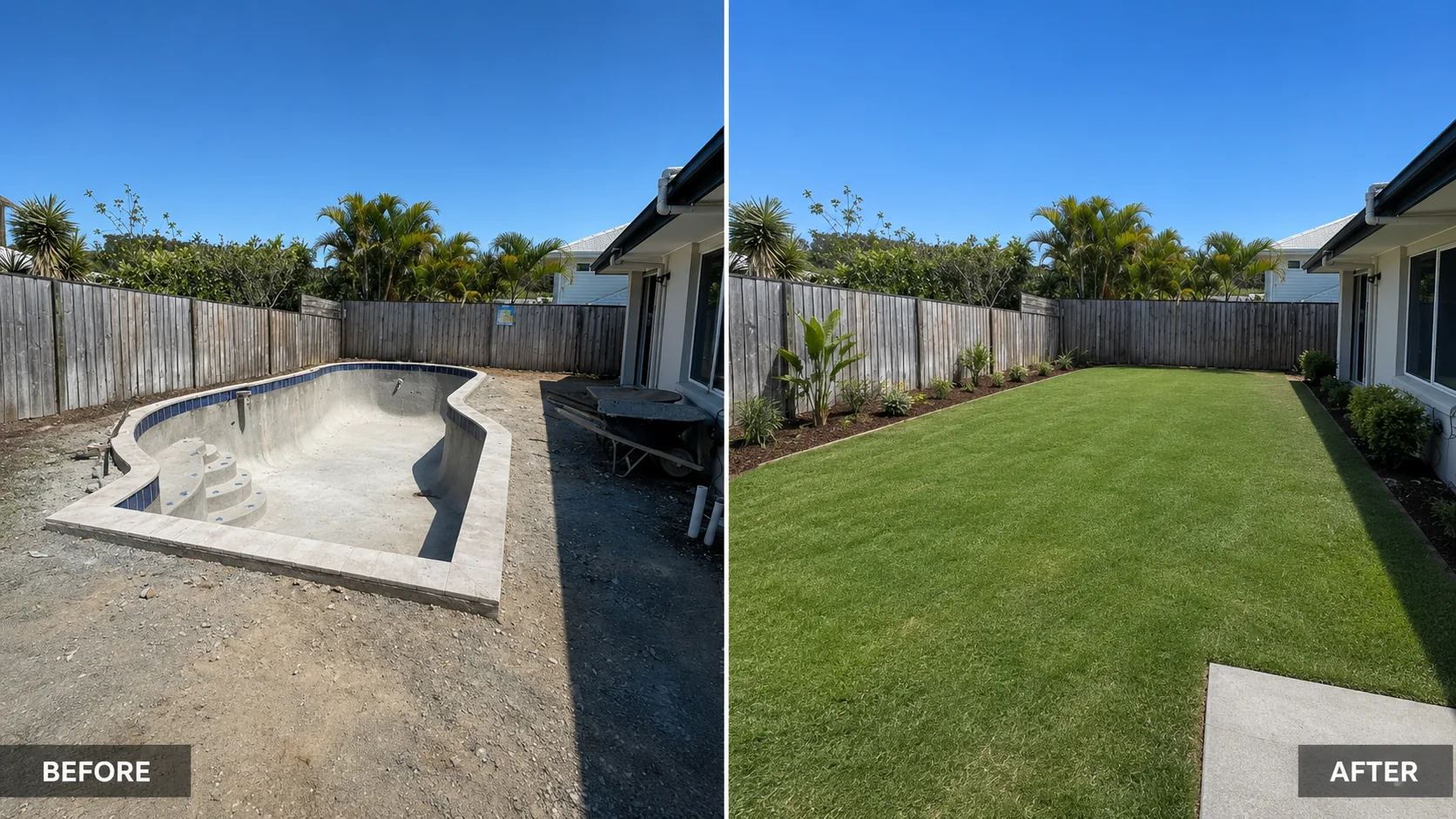
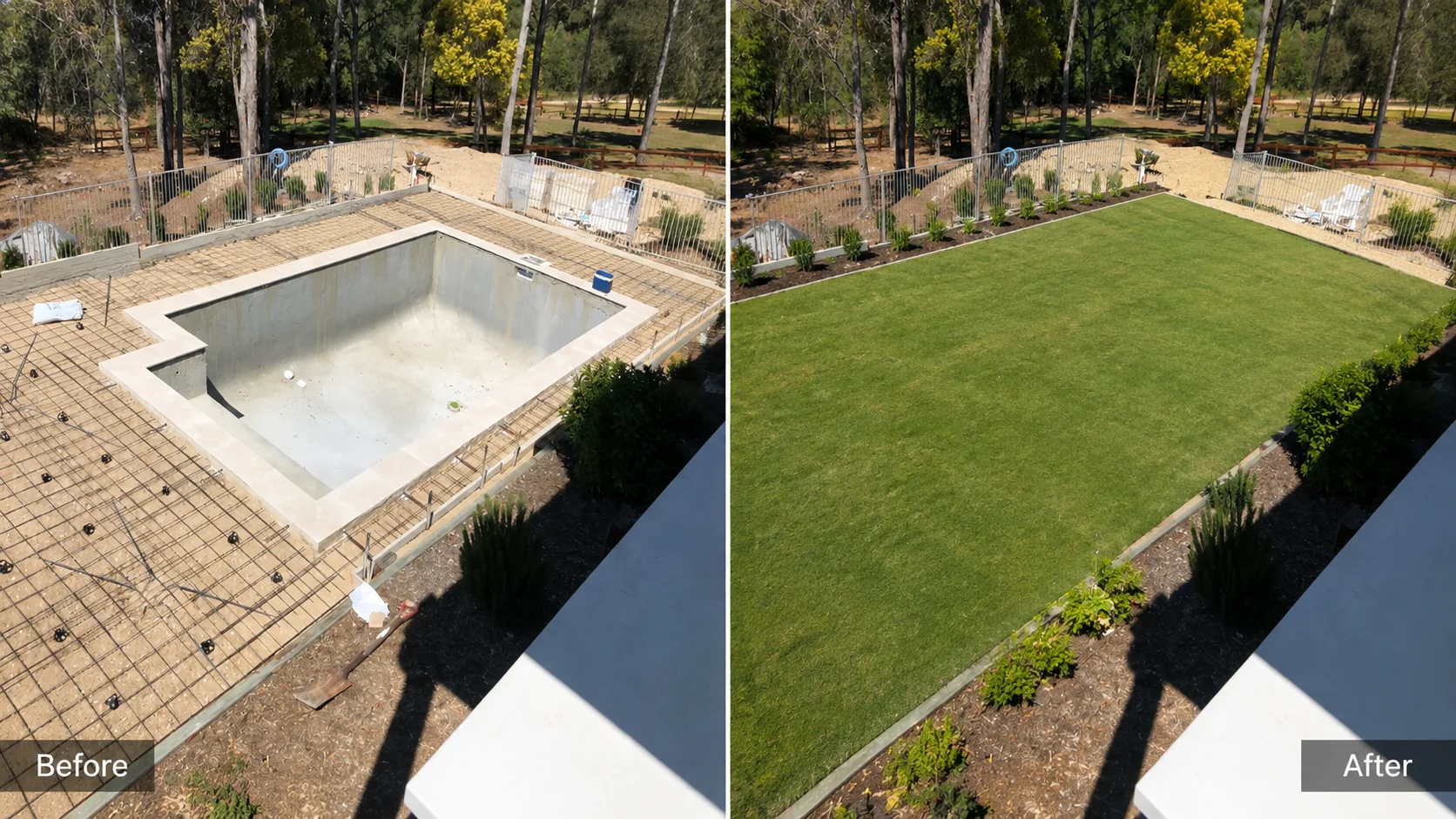
These images are representative visualisations. Final results depend on access, ground conditions, drainage, the chosen removal method and the selected landscaping finish.
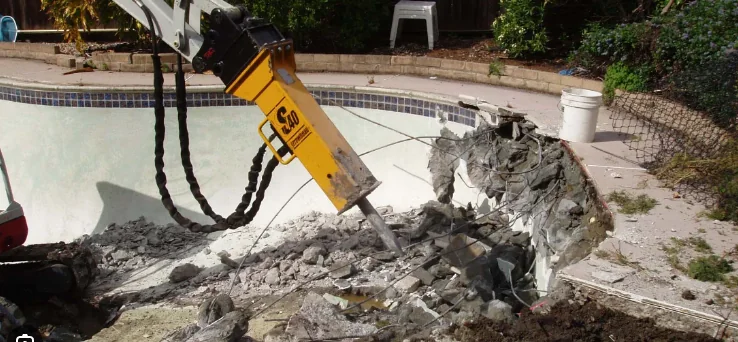
Concrete swimming pool shell being broken out during demolition Concrete demolition, access and cartage drive the project scope
What the job can involve

More than breaking concrete and tipping in soil

A properly planned removal can involve service disconnections, demolition, excavation, concrete and steel disposal, imported fill, compaction, drainage and final backyard levels.

  • Concrete and fibreglass pool removal
  • Partial demolition and decommissioning
  • Clean fill and controlled backfilling
  • Tight and limited access project options
  • Topsoil, turf, paving and landscaping coordination
See the Process
The project pathway

From unwanted pool to usable ground

Good pool removal starts with access and future use, then works backwards to the right demolition and backfill method.

Project review

Pool type, dimensions, access, surrounding structures and the intended final use are reviewed first.

Scope & quote

The contractor confirms demolition, cartage, fill, drainage, approvals and reinstatement requirements.

Removal & backfill

The agreed shell removal or decommissioning work is completed before the void is prepared and filled.

Final reinstatement

Levels, topsoil, turf, landscaping or other finishing work can return the area to practical use.

Different pools, different scopes

Pool shells, access and demolition conditions vary

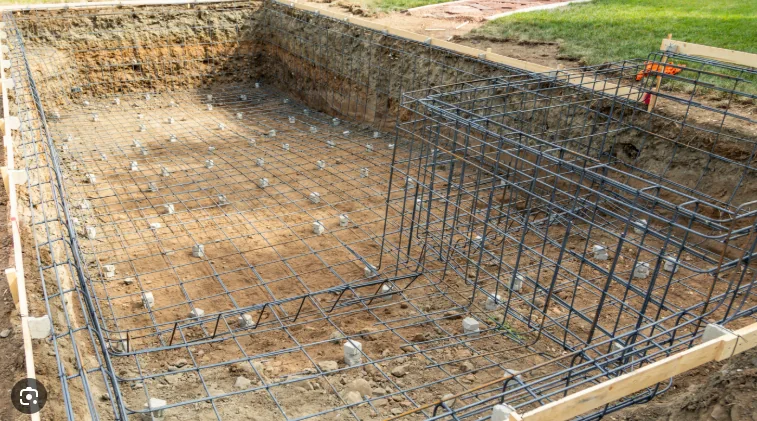
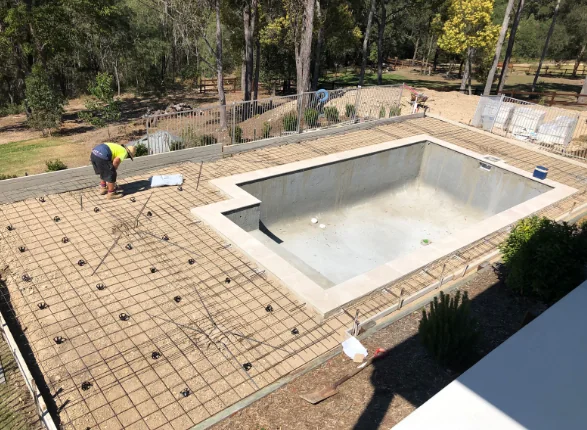
Pool type, reinforcement, surrounding paving, site access and nearby structures all influence the machinery and removal method needed for the job.
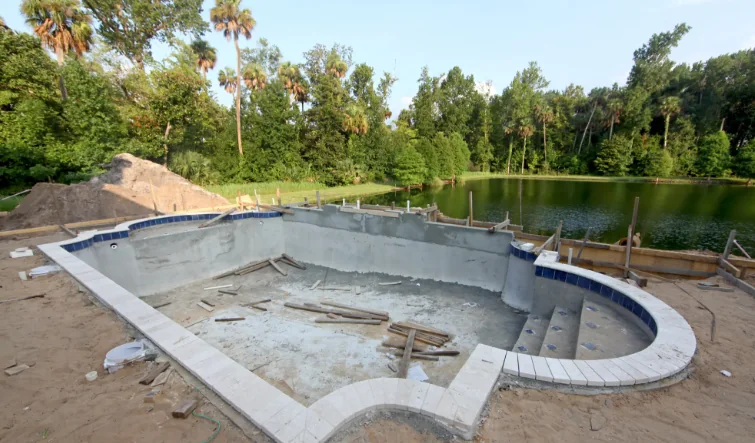
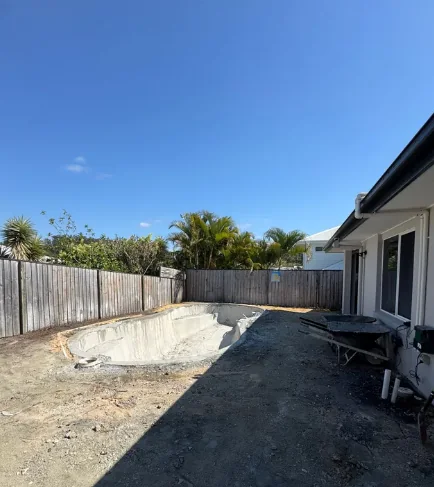
Empty residential swimming pool shell in an open backyard setting
Large pool shell and open site conditions
Partially demolished pool shell positioned beside a house with restricted access
Restricted access beside the home
Reinforced concrete pool structure showing steel reinforcement
Reinforced concrete structure
Cost factors

What changes the price of pool removal?

Two pools of the same size can cost very different amounts to remove. Access and disposal can matter as much as the pool itself.

Pool constructionConcrete, fibreglass, coping and surrounding paving affect the demolition method.
Machine accessGate width, side access, retaining walls and nearby structures influence equipment and labour.
Final useLawn, landscaping, paving and future building plans may require a different scope.
Pool Removal Cost Guide
Gold Coast wide service area

Pool removal across the entire Gold Coast

We accept pool removal, demolition and backfilling enquiries from the northern Gold Coast through central suburbs, the southern beaches and the hinterland. Robina, Carrara and Merrimac remain a core service area, but enquiries are welcome Gold Coast wide.

Central Gold Coast

Northern Gold Coast

Coastal and Southern Gold Coast

Hinterland and Acreage

View All Service Areas

Outside a listed suburb? Send the address or suburb and we can confirm whether a suitable contractor services the property.

Pool removal FAQ

Gold Coast pool removal questions answered

Direct answers to the questions homeowners ask before removing, demolishing or filling an unwanted swimming pool in Queensland. This section was reviewed against current QBCC, WorkSafe Queensland and Queensland building certification guidance in August 2026.

Quick answer

Start by deciding what you want the former pool area to become. Future lawn and landscaping, paving, or a future building can require very different removal, fill and documentation decisions.

Queensland compliance

QBCC says pool decommissioning must be lawful and may require building approval. WorkSafe Queensland also regulates licensed demolition work where load shifting equipment is used.

Best quote information

Pool material, approximate size, access width, site photos and intended future land use are the five details most likely to improve the accuracy of an initial project review.

How much does pool removal cost on the Gold Coast?

Pool removal pricing varies with pool size, construction, machine access, demolition method, disposal, fill volume and the finished use of the yard. Current Australian pricing guides commonly put partial removal and backfilling in the several thousand dollar range, with complete removal higher. See the cost factors we use to scope a quote.

Do I need building or council approval to remove a pool in Queensland?

Potentially, yes. QBCC says a pool must be lawfully decommissioned, that building approval may be required, and that owners should check with their local council before work starts. For a Gold Coast property, confirm the pathway with a licensed private building certifier before demolition or filling begins.

Who approves a pool removal in Queensland?

A licensed building certifier manages building approval and inspection processes where building approval applies. The certifier can advise what documentation, inspections and completion evidence are required for the specific property. See our contractor checklist.

Does the demolition contractor need a licence?

Check the proposed demolition method. WorkSafe Queensland requires a demolition work licence for demolition involving load shifting equipment such as an excavator, skid steer, backhoe or crane. Pool demolition commonly uses this type of machinery, so licence and insurance details should be verified before work starts.

Can I just fill an old swimming pool with dirt?

It should not be treated as a simple dirt delivery. The decommissioning method should address drainage, what parts of the shell remain, suitable fill, staged placement, compaction, final levels and the future use of the site. Compare filling and removal options.

What is the difference between complete pool removal and partial pool removal?

Complete removal removes the pool shell or structure and carts away demolition waste before backfilling. Partial removal leaves part of the structure below ground after selected sections are demolished. Future use of the site is a major factor in choosing between them. Read the detailed comparison.

Can I build over a removed or filled-in pool?

Sometimes, but plan for it before the pool is removed. The answer depends on the removal method, fill material, compaction, ground conditions, proposed structure and engineering design. If a future extension, garage, shed or granny flat is possible, obtain geotechnical, structural and building certification advice before choosing the pool removal method. Read our building over a removed pool guide.

Do I need a compaction certificate after pool removal?

The documentation required depends on the intended future use. A simple landscaped area may not need the same evidence as land intended to support a future slab or building. Where future construction is contemplated, ask the certifier, engineer or geotechnical professional what controlled fill, testing and records should be retained. Learn about pool backfill and compaction.

What material is used to backfill a swimming pool?

Suitable clean fill, sand, gravel or engineered fill may be specified depending on the approved method and future use. The critical point is that the material and placement method need to suit the site. Backfill should not simply be tipped into the excavation without considering drainage and compaction.

How long does it take to remove a swimming pool?

Many residential jobs are completed over several working days, but the schedule depends on pool construction, access, concrete volume, truck movements, approvals, weather, fill placement and landscaping. Restricted access or heavily reinforced concrete can extend the job. See the project timeline factors.

Can a pool be removed if access is narrow?

Often, yes. Narrow side access may require smaller excavators, mini loaders, tracked carriers, more manual handling or additional cartage. Measure the narrowest point from the street to the pool and send photos with the enquiry. Read our limited access guide.

Is a concrete pool harder to remove than a fibreglass pool?

The methods are different. Concrete pools may require breaking reinforced concrete and separating steel for disposal. Fibreglass shells may be cut, lifted or broken into transportable sections. Access, depth, coping and surrounding structures can influence the job as much as pool material. Compare concrete and fibreglass removal.

What happens to the concrete, steel and fibreglass after demolition?

Demolition material should be handled and disposed of through appropriate facilities. A complete removal normally includes cartage of shell material and associated debris rather than burying uncontrolled demolition waste in the former pool excavation. Read about pool demolition waste.

What happens to the pool pump, pipes, lights and electrical equipment?

Pool equipment and services need to be safely disconnected or removed as part of the project scope. Electrical, plumbing or drainage work should be completed by appropriately licensed trades where required. Tell the contractor about pumps, heaters, lighting, chlorinators and nearby services during quoting.

When can the pool be removed from the Queensland pool register?

QBCC says that when there is no longer a regulated pool on the property, the owner can request removal from the pool register in writing. The pool must be lawfully decommissioned and must not be capable of holding more than 300 millimetres of water.

Can I remove a pool before selling my house?

Yes, subject to the required approval and decommissioning process. Keep approval, contractor, disposal, engineering and completion records because a future buyer may ask how the former pool area was treated, particularly if they intend to build there. Read our pre-sale pool removal guide.

Will the ground sink after a pool is filled in?

Poorly placed or uncontrolled fill can settle. Appropriate fill selection, placement in suitable layers, compaction, drainage and professional advice where needed reduce that risk. The required standard should be matched to whether the area will become lawn, paving or future building land.

Can the area be finished with lawn, gardens, paving or a patio?

Yes. Pool removal can create space for lawn, gardens, play areas and broader landscaping. Paving and structures require more consideration of ground preparation, drainage, footings and approvals. See backyard ideas after pool removal.

Can you remove spas, plunge pools and above-ground pools?

Yes, quote requests can be submitted for spas, plunge pools and above-ground pools as well as conventional concrete and fibreglass in-ground pools. The method and approval requirements depend on how the structure is installed and whether it can hold 300 millimetres or more of water.

What information should I send for a pool removal quote?

Send the suburb, pool type, approximate length, width and depth, clear photos, the narrowest access width, nearby retaining walls or buildings, and what you want to use the area for afterwards. These details help contractors assess machinery, demolition, fill and reinstatement requirements before a site inspection.

Ready to reclaim the backyard?

Send your suburb, pool type and access details for a project review.

Request a Quote
Call 0451 252 501